15 Design Ideas and Trends for Billboard Advertising
In 2026, the most effective billboards blend artistic flair with cutting-edge technology, using bold visuals and concise messaging to create high-impact, unforgettable outdoor advertisements.
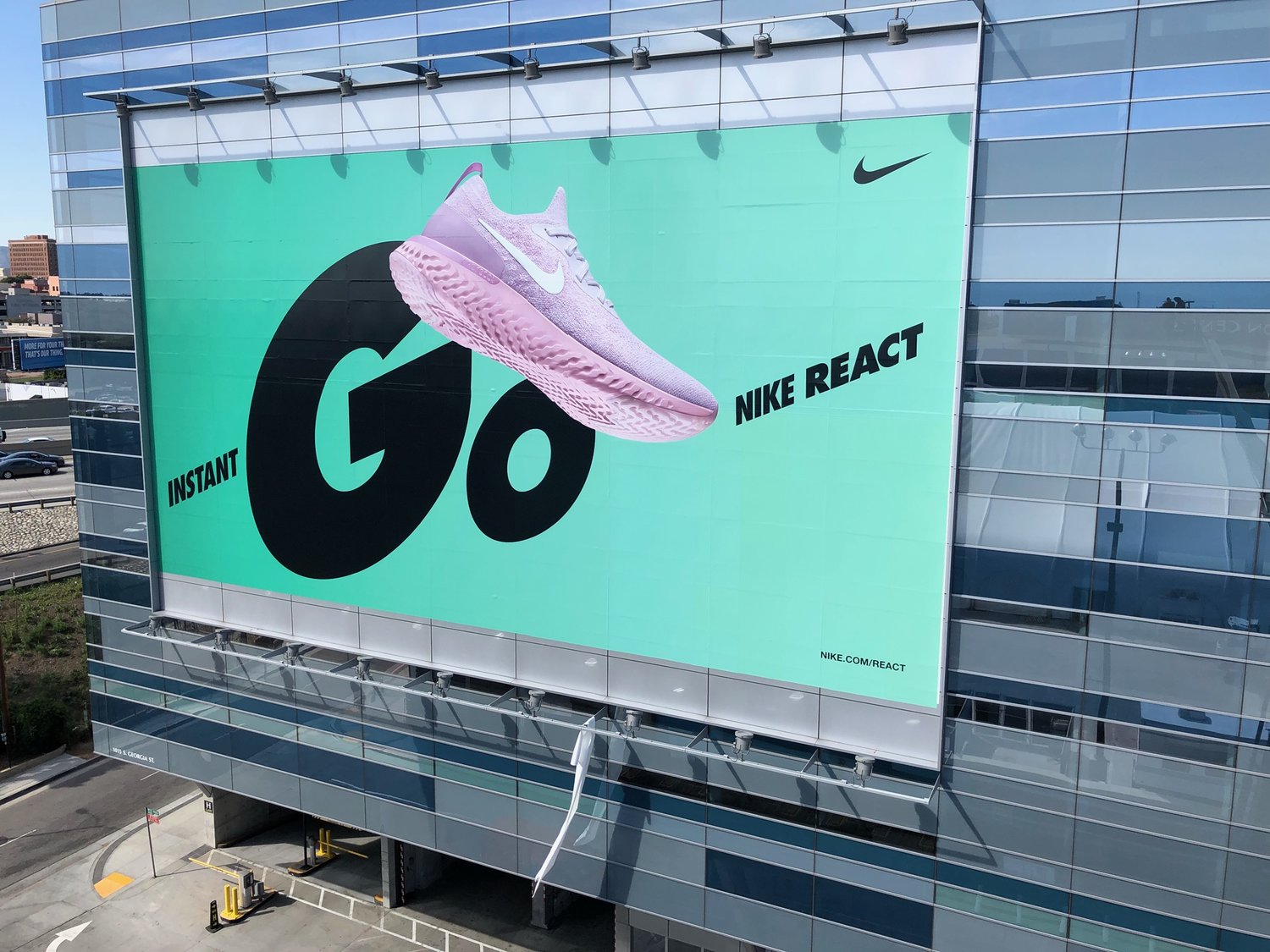
1. Neon Gradients and Duotone Color Palettes
High-contrast colors catch the eye from blocks away. Neon and duotone gradients make logos and visuals pop, especially in cityscapes filled with competing signage. When selecting colors, prioritize high contrast for visibility at all hours and under varied lighting conditions. These palettes fit well with both static and digital boards.
2. Ultra-Minimalist Messaging
Billboards demand brevity. Headlines of 2–4 words paired with visuals allow audiences to grasp the message in a split second. Minimalism reduces cognitive load, improving comprehension for commuters or pedestrians passing at speed.
3. Oversized Typography and Custom Lettering
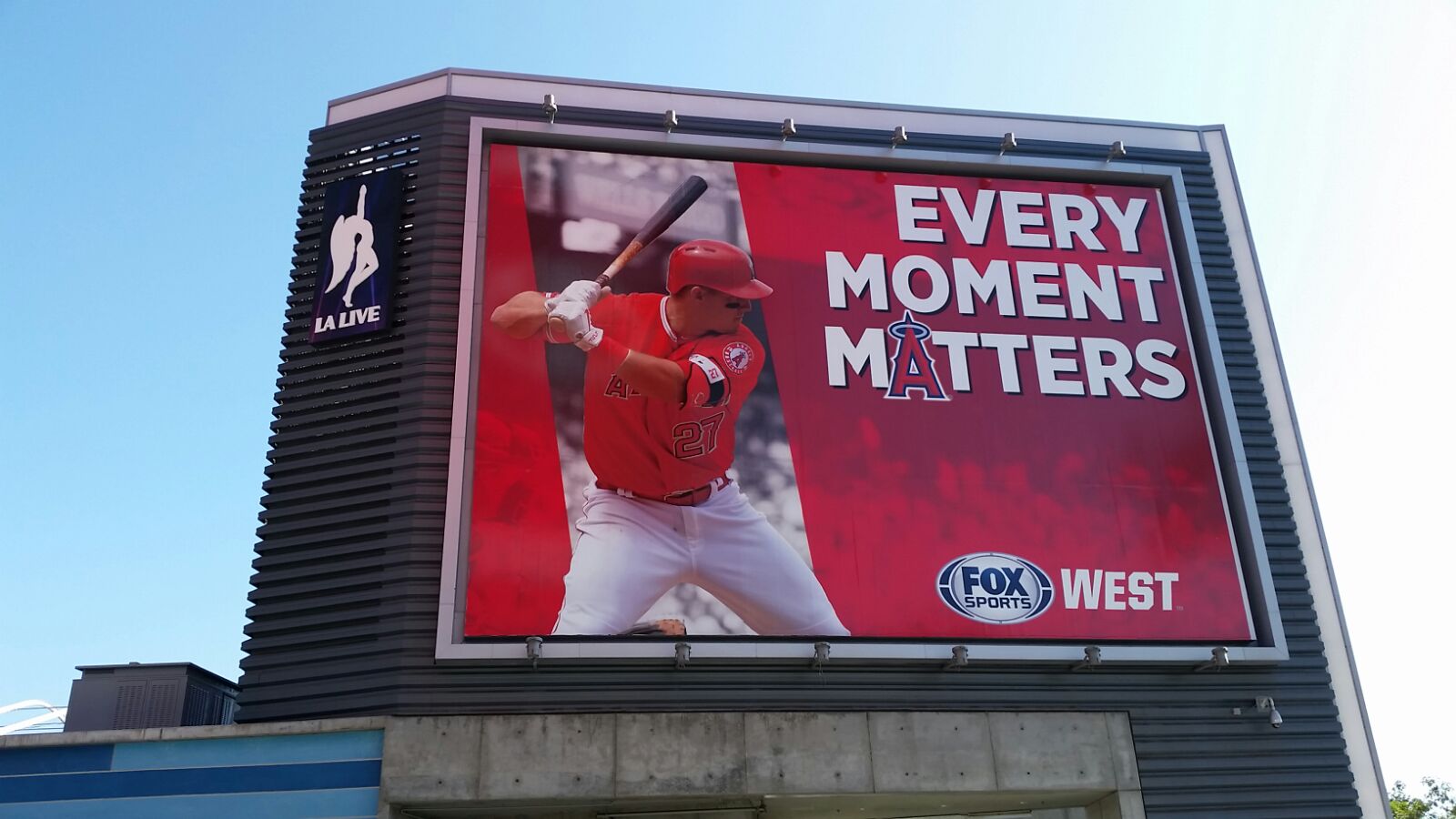
Oversized fonts and custom lettering reinforce brand identity. Variable font weights and kinetic typography create emphasis and motion on digital boards. Creative billboard design ideas thrive on this principle, marrying readability with artistic expression.
4. 3D-Illusion and Mixed-Media Visuals
Layered images, semi-transparent overlays, and split-panel designs create depth. Mixed-media billboards can feature a 3D sculpture or integrated props to captivate audiences. These designs make boards more than signs—they become visual experiences.
5. Optimized Layouts for Speed and Viewing Distance
Place primary elements at eye level and use asymmetrical layouts to guide attention naturally. Negative space ensures your message isn’t crowded. Drivers and pedestrians process visuals in seconds, so legibility is crucial.
6. Interactive and AR-Enabled Billboards
QR codes, NFC technology, and AR overlays bridge physical and digital experiences. This approach extends the campaign beyond the street, encouraging social sharing and deeper engagement.
7. Sustainable Materials and Energy-Efficient Displays
Eco-friendly substrates, recyclable vinyls, and LED panels reduce environmental impact. Brands increasingly prioritize sustainability. Sustainability also extends the lifespan of installations, reducing replacement costs.
8. Motion-Activated or Kinetic Panels
Physical elements or digital animations that respond to traffic, wind, or time of day draw attention naturally. Motion triggers curiosity, making the billboard stand out in static environments.
9. Dynamic Digital Content
Digital boards can rotate visuals or messages based on time of day, audience, or events. This flexibility maximizes relevance and ROI.
10. Augmented Storytelling Across Multiple Locations
Sequential campaigns tell a narrative over several boards. This approach transforms billboards into episodic storytelling platforms.
11. Hyperlocal Targeting
Local imagery, slang, or cultural references resonate with specific neighborhoods. Hyperlocal targeting strengthens relevance for each viewer.
12. Mixed Media with Real-World Objects
Incorporating physical 3D elements can create a tactile connection with audiences. Mixed-media designs transform static billboards into interactive landmarks.
13. Immersive Lighting Techniques
Backlit letters, LED edges, neon, or glow effects improve nighttime visibility. Lighting strategies extend engagement hours and elevate visual impact.
14. Gamified Billboards
AR games, QR challenges, or social contests encourage participation. Gamification creates memorable experiences beyond standard messaging.
15. Holographic or Projection Mapping Effects
Projection mapping animates designs on buildings or billboard surfaces, creating eye-catching storytelling.
How to Apply 2026 Billboard Trends While Staying True to Your Brand
Learn how to integrate 2026 billboard trends—like AR and dynamic visuals—while preserving your brand's established integrity.
Define your core brand elements
Identify signature fonts, colors, and imagery. These elements ensure audiences recognize your brand even when designs experiment with modern trends.
Select trends that complement your identity
Choose trends like neon gradients, kinetic typography, or interactive AR that amplify your story without overpowering your established identity. A financial services brand might adopt subtle gradients rather than bright neon to remain professional, while a lifestyle brand could push color and motion more aggressively.
Maintain typography consistency
Use oversized or custom fonts for impact, but retain your primary typefaces for recognition. For example, a tech brand applied kinetic typography for digital boards but kept logo fonts consistent.
Balance bold visuals with minimalist messaging
Pair visuals with short 2–4 word headlines to ensure legibility at a glance. Minimalist text combined with high-impact imagery, like in a fast-food chain’s “Fresh. Fast. Flavor.” campaign, reinforces clarity without losing brand tone.
Test layouts for readability and recognition
Simulate boards at various distances and speeds. Eye-level focal points, asymmetrical layouts, and negative space improve legibility. Adjust small elements like logo size or headline placement based on testing results.
Iterate with feedback
Pilot campaigns, measure engagement, and refine visuals. For example, a fashion brand tests AR features in one location before expanding nationally, ensuring optimal interaction and recognition.
Stay flexible across formats
Adapt designs for static and digital boards without losing cohesion. Rotating messages or interactive panels must maintain brand identity to reinforce trust and recognition across all touchpoints.
Why Billboards Remain a Powerful Advertising Tool in 2026
Even with the rise of digital marketing, billboards continue to be essential, offering unparalleled real-world visibility and high-impact brand reinforcement.
Instant Communication
Billboards capture attention in seconds, ideal for high-traffic streets and highways. Quick, clear visuals turn fleeting glances into memorable impressions.
Brand Reinforcement
Bold designs, consistent colors, and recognizable typography strengthen recall. Multi-location campaigns improve audience familiarity and trust.
Trend-Driven Engagement
Modern creative billboard design ideas like motion graphics, AR overlays, and gamification encourage interaction, keeping audiences curious and engaged.
Flexibility Across Campaigns
Billboards work for launches, seasonal promotions, and experiential marketing. Static and digital formats allow versatility, making them a reliable part of any campaign strategy.
Visual Dominance in a Digital World
Even in a digital-first marketing landscape, billboard advertising trends show that high-impact, large-format designs stand out. Physical visibility cuts through online noise, leaving lasting impressions on real-world audiences.
Beyond the Billboard
Billboards remain one of the most effective ways to capture attention, reinforce brand identity, and engage audiences in real-world environments. In 2026, success comes from combining bold visuals, concise messaging, and strategic use of emerging trends—whether through AR, interactive elements, or dynamic layouts. Focus on readability, brand consistency, and creativity to make every impression count.
For high-impact execution, partner with a trusted large-format printing company. CR&A Custom specializes in turning creative concepts into standout billboard campaigns, offering expert guidance and premium large-format printing services to ensure your designs are executed flawlessly and deliver maximum visibility.
When it comes to memorable, high-impact outdoor advertising, CR&A Custom is the go-to partner for brands ready to make a statement.
Carmen Rad
FAQ's
Billboard design ideas in 2026 focus on bold visuals, minimalist messaging, and interactive features. Trends include neon gradients, oversized typography, AR integration, gamified experiences, and dynamic digital content to boost visibility and engagement.
Short headlines of 2–4 words allow viewers to grasp the core message quickly. Minimalist messaging improves comprehension for drivers and pedestrians, ensuring your brand is noticed even in high-traffic areas.
AR, QR codes, and motion-activated elements extend audience interaction beyond the physical board. These features make campaigns memorable, encourage social sharing, and connect offline displays to digital experiences.
Layered graphics, semi-transparent overlays, and real-world objects create depth and intrigue. These designs stand out in crowded environments, making your billboard more memorable and shareable.