Walk into two separate cosmetics stores and you can feel the difference. One is a basic retail environment like a thousand other stores. The other pulls you. It makes you want to slow down, look around, touch, and sample the products. The difference between the two is often the effect of experiential graphic design (EGD).
Experiential graphic design blends architecture, graphic design, and interior design to help shoppers more fully experience the brand. It provides the shopper with information and intrigue, while reinforcing the brand’s identity and ethos.
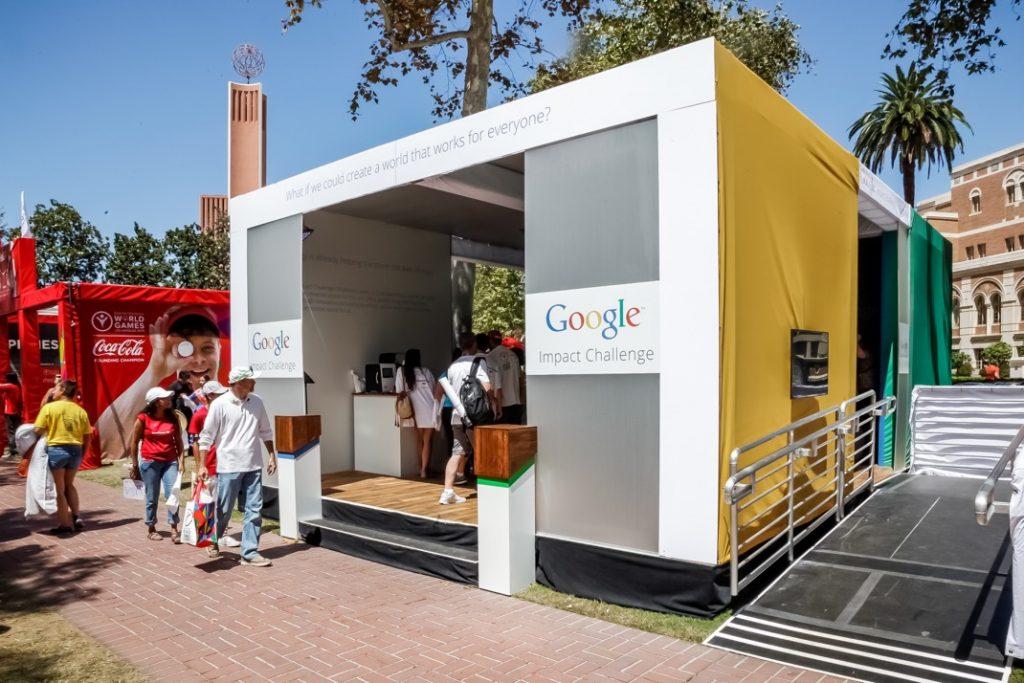
In brand activations and in-store installations, experiential graphics can shape how consumers experience the space. Creative graphics, printed well, can transform retail walls, floors, windows, displays, and structures into part of the brand story.
Experiential Graphic Design in Retail
In many retail brand activations, environmental graphics are considered early in the design process, along with layout, materials, and lighting. Color fields, large-scale imagery, dimensional brand elements, and textures are used to establish mood before a customer ever picks up a product.
Large format graphics can behave differently in real spaces than they do in digital mockups. Lighting can shift color. Seams become visible. Materials reflect in ways that were not anticipated. Experiential graphics require an understanding of how print, material, and environment interact once everything is installed and in use.
Experiential Graphic Design in Brand Activations
Brand activations raise the stakes even more. These spaces are temporary, but the pressure is high. Influencers, editors, and customers expect something worth stopping for. If an activation does not encourage photos and sharing, the event often fails to reach its full potential.
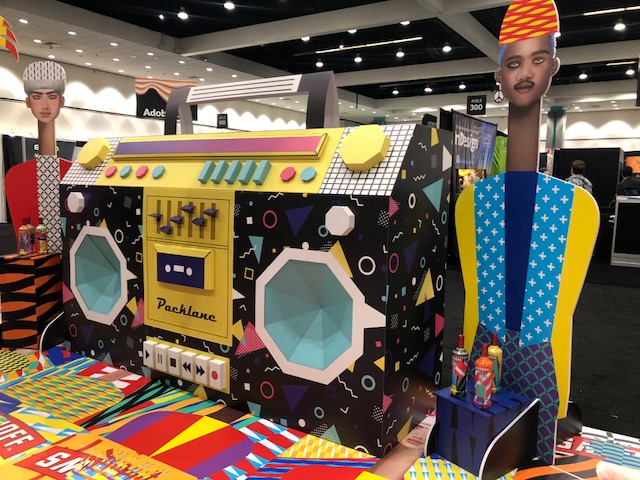
Experiential graphics can provide that focal point. A dimensional logo wall, a layered backdrop, or a custom visual effect can give people a reason to pause. These elements are designed with movement and sightlines in mind. They account for where people naturally stand, where they turn, and how a space is framed through a phone camera.
Print quality becomes especially important here. Cameras reveal flaws that might go unnoticed in person. Uneven color, glare from the wrong finish, or materials that feel thin can undermine an otherwise strong concept. Experiential printing has to hold up under close inspection, harsh lighting, and constant use.
Many brand activations and retail concepts are also expected to scale. Pop-ups travel. Store designs roll out across regions. Seasonal launches require updates without starting from scratch. Experiential graphics support this by allowing spaces to change without losing their identity.
Modular graphic systems make this possible. Interchangeable panels, removable skins, and reusable structures allow brands to refresh messaging while keeping the core environment intact. This approach saves time, controls cost, and keeps the experience consistent across locations.
Durability becomes part of the design conversation. Graphics are packed, shipped, installed, removed, and installed again. Materials that look great but cannot survive that cycle quickly become a problem. Experiential graphics work best when durability is treated as a creative constraint, not an afterthought.
Experiential Graphic Design Influences How People Move
In retail, flow affects what gets seen and what gets tried. Color blocking can separate collections. Floor graphics can draw attention toward hero products. Environmental cues can help manage congestion during busy activations without barriers or instructions. When this works, customers feel free to explore, even though the space is gently guiding them.
Materials Matter
Materials carry meaning as well. Glossy finishes suggest luxury. Matte surfaces feel modern. Soft textures feel intimate. Natural materials suggest restraint or sustainability. Experiential graphics allow brands to communicate these values physically, not just through copy or imagery.
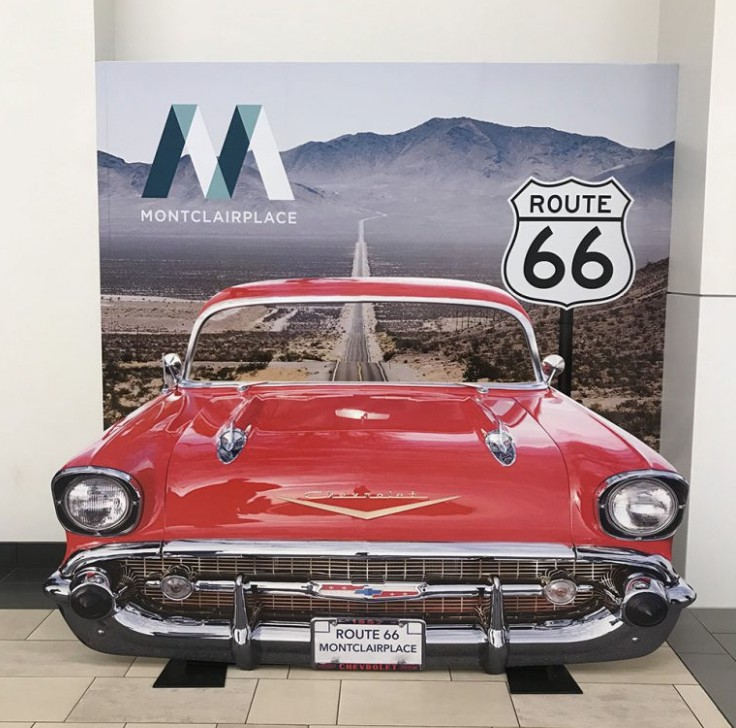
Layered construction, dimensional elements, and thoughtful material choices add depth that flat signage cannot. These details often determine whether a space feels premium or temporary, even when both exist for the same amount of time.
Consistency also matters in experiential printing. When graphics, fabrication, and installation are treated as parts of the same process, the space feels natural. Customers may not analyze why a store or activation feels right, but they sense when it does.
That is why experiential graphics continue to play a central role in makeup brand activations and in-store installations. They create physical experiences in a digital-first world. They give people a reason to slow down, engage, and remember the brand long after they leave.