Walk into any modern retail environment. You face an overload of flat graphics and printed signs. Visual clutter competes for shopper attention at every turn. Traditional visual merchandising displays struggle to command a room. They fade into the background at busy malls, pop-up events, trade shows, and experiential activations.
Immersive retail display design solves this problem by introducing physical depth. Dimensional fabrication, layered materials, and sculptural elements demand notice faster than flat prints. Picture oversized 3D product replicas, thick CNC-routed lettering, layered acrylics, and mixed-material builds. By incorporating these structural components, you transform standard signage into a high-end retail experience that functions like a bespoke art installation.
Why Flat Retail Displays No Longer Capture Attention Like They Used To
You see it happen constantly. Shoppers walk straight past standard retail graphics and basic cardboard standees. Because consumers process a relentless stream of marketing from the moment they wake up, they quickly become visually desensitized to flat promotional materials.
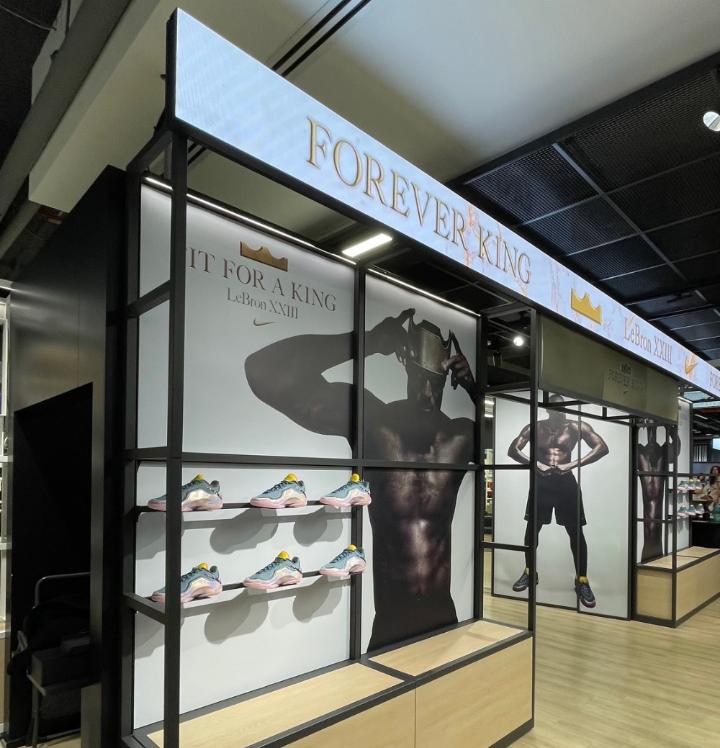
Flat-only visual merchandising displays blend into busy retail environments
Place flat foam boards and printed panels inside a dense retail space. They compete poorly against the surrounding visual clutter. Many retail setups entirely lack depth, shadow, texture, and a clear hierarchy. Without these physical traits, standard signage often reads as temporary or low-budget.
Since consumers experience constant visual advertising throughout the day, brands absolutely need more immersive experiences to successfully interrupt shopper attention.
Dimensional retail display design naturally commands attention faster
Physical depth establishes a stark contrast that shoppers notice instantly. As ambient light interacts with structural layers, natural shadows create movement and visual intrigue. Scale also plays a vital role. Oversized 3D elements trigger genuine curiosity from a considerable distance.
By building outward, sculptural displays inherently establish a more premium visual experience. Layered retail signage simply stands out far more effectively than traditional flat cardboard cutouts.
What Makes a Retail Display Feel “Immersive”
True immersion requires a fundamental shift in how you approach visual merchandising. You must move beyond simply printing larger graphics and start constructing a distinct spatial experience.
Layered materials create more depth and texture
Combine acrylic, fabric, wood, PVC, and printed graphics to build immense visual richness. When you pair matte and glossy materials, you force a sharp visual contrast. Transparent acrylic layers effectively generate striking floating graphic effects.
By integrating mixed materials, you ensure the final installation feels meticulously custom-built. Physical texture ultimately makes the entire retail display highly tactile and engaging.
Oversized 3D product replicas create instant focal points
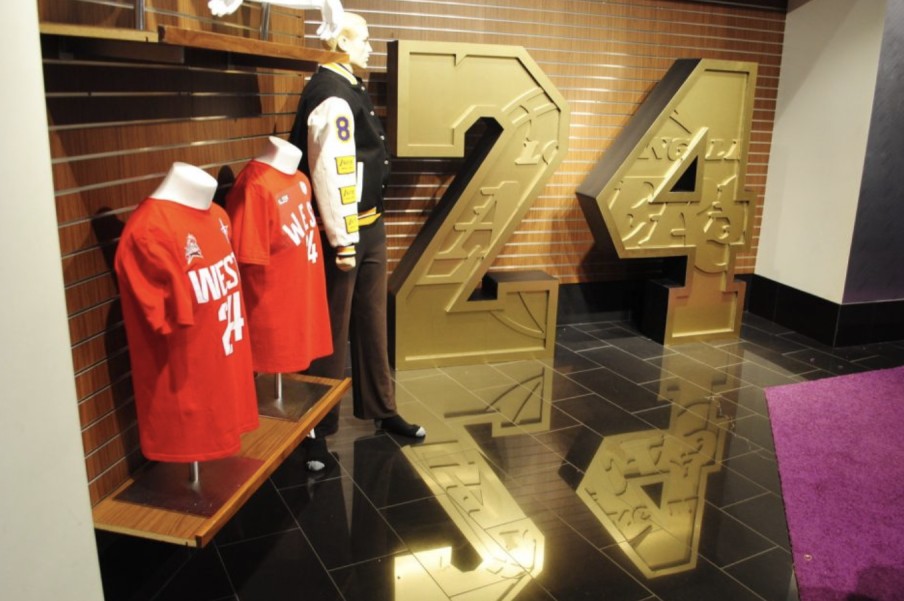
Giant fabricated products naturally pull foot traffic from across the store. Because these massive props amplify key features, they help shoppers understand your products much faster. These striking installations immediately encourage spontaneous photography and social sharing.
Deploy this strategy effectively for cosmetics, fashion, food, beverage, and technology campaigns. Oversized replicas function as the perfect anchor for mall activations, high-traffic window displays, and pop-up experiences.
Dimensional lettering elevates brand perception
Thick CNC-routed letters feel strictly architectural compared to standard printed logos. Raised lettering easily captures ambient light to secure stronger visibility under harsh retail fixtures.
Upgrade to layered signage to establish a distinctly premium storefront appearance. You can utilize acrylic, PVC, wood, and metal finishes to dictate specific visual styles. Ultimately, dimensional logos consistently reinforce luxury and experiential branding.
How to Create Immersive Retail Displays with 3D Dimensional Design
Moving from concept to physical execution requires a highly systematic approach. You must transform flat visual merchandising concepts into fully dimensional retail environments. Follow these structural steps to build displays that actively engage shoppers.
1. Start with a spatial, not flat, design mindset
Replace standard layout thinking with true environment thinking. You need to think in distinct layers, like the foreground, midground, and background, to build necessary visual depth. Map exactly how shoppers will physically move past and through the space.
Design sightlines from multiple viewing zones. You must account for far, mid, and close perspectives. Identify precisely where the display should capture attention first, second, and last. Plan physical depth as a core structural component rather than treating it as a decorative enhancement.
2. Define the story and visual hierarchy before design begins
Establish your primary campaign message or hero product focus immediately. Break this narrative into distinct visual components. Separate the headline from supporting visuals and minor details. Prioritize the elements that must dominate the setup versus those that merely support it.
Assign clear visual weight using scale, contrast, and strategic placement. Ensure your hero element remains highly readable from a distance. Build supporting layers to reinforce that focal point. Make sure they never compete against it.
3. Build a hierarchy of dimensional elements
Identify core focal points like hero products, logos, or primary campaign icons. Assign specific depth levels to these components. Level one serves as the background, level two occupies the mid-layer, and level three pushes into the foreground. Use physical spacing between these layers to create distinct separation and cast shadows. Introduce overlapping elements.
This specific technique guides eye movement naturally across the entire display. Scale elements intentionally to control their perceived importance. You reinforce this hierarchy further by varying thickness, elevation, and material contrast.
4. Convert flat creative into structural design assets
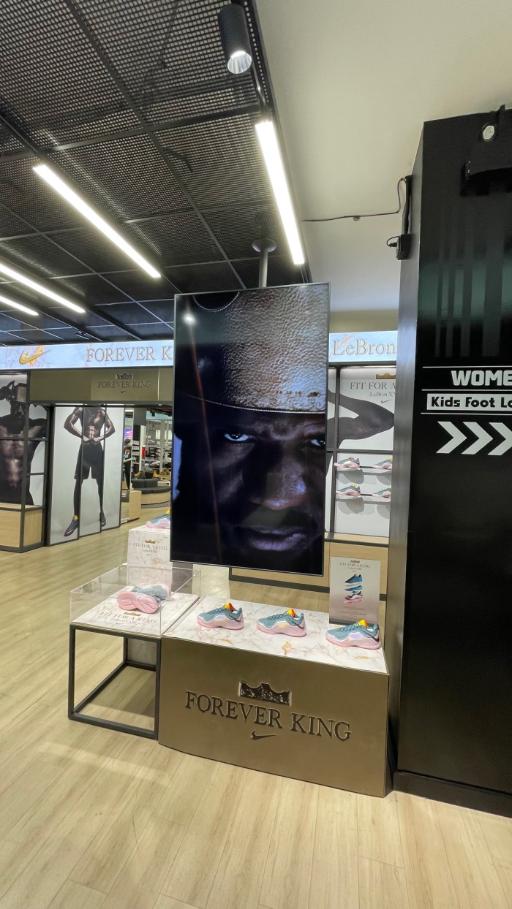
Break down your 2D artwork into individual, isolatable components for fabrication. Separate typography, icons, textures, and imagery into clearly buildable layers. Redraw key design elements specifically for CNC routing, precision cutting, or dimensional forming. Replace printed-only visuals with physical builds wherever possible.
Determine precisely which elements should be extruded, layered, or constructed as freestanding units. Translate your flat design files directly into production-ready structural drawings.
5. Engineer materials for depth, weight, and stability
Select materials based strictly on their structural and visual requirements. Use clear acrylic for pristine layering effects. Opt for PVC or rigid foam to support lightweight dimensional builds. Choose wood or metal when the project demands a premium, permanent feel.
Calculate exact weight distribution for wall-mounted elements or freestanding installations. Ensure total structural integrity to withstand high-traffic retail environments.
6. Integrate lighting early in the design process
Position lighting strategically to emphasize depth and shadow formation. Use directional spotlights to sharply enhance dimensional edges. Incorporate edge-lit acrylic to generate glowing visual effects. Test exactly how your chosen materials react under different lighting temperatures.
Avoid flat, evenly distributed lighting. Broad illumination strips away crucial depth contrast. Design your lighting scheme to intentionally guide shopper attention across the established visual hierarchy.
7. Plan installation, assembly, and on-site flow
Break the completed display into modular components for easier transport. Design a logical assembly order based entirely on the installation site's physical constraints. Account for wall anchoring, floor support brackets, or overhead hanging systems early in the process.
Label every component clearly for a highly efficient on-site setup. Simulate the entire installation sequence during your design planning phase. This foresight guarantees minimal disruption during the actual retail environment setup.
8. Validate the design through real-world viewing angles
Review the display from multiple shopper perspectives by factoring in both distance and height. Test the readability of your key messages under real retail conditions. Check how shadows and reflections actually behave under standard in-store lighting. Adjust spacing and scale based on actual physical environment constraints.
Confirm the display works perfectly in motion rather than relying solely on static 3D renderings. Refine the overall composition based strictly on in-person visual impact.
9. Prepare for longevity and campaign flexibility
Design structural components for reuse in future brand activations. Build modular systems that easily allow for rapid graphic swaps or seasonal updates. Reinforce high-touch areas to guarantee long-term durability. Plan the mechanics for easy disassembly and compact storage.
Consider how the display architecture can seamlessly evolve across different seasons or marketing campaigns. Extend the lifecycle of your fabrication investments entirely through smart adaptability.
3D Visual Merchandising Techniques Brands Are Using Today
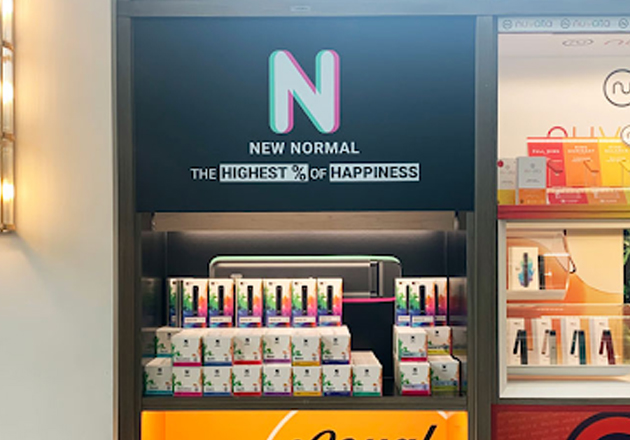
Retail designers, visual merchandisers, and brand managers constantly need sharp inspiration to push physical boundaries. Consider the following fabrication methods for your creative blueprint. The industry's top brands actively deploy these specific structural techniques to build unforgettable spatial environments.
1. CNC-routed dimensional signage
Custom-cut logos and branded shapes transform basic storefronts. They build highly sculptural retail environments. Multi-layered dimensional signage introduces immediate physical depth. You can route acrylic, PVC, wood, and metal to fit various architectural elements. Brands frequently deploy these custom applications for bold feature walls and distinct POP displays.
2. Layered acrylic visual merchandising displays
Mount floating acrylic graphics at varying depths. This structural adjustment generates instant visual movement. Frosted and clear acrylic combinations establish a strictly premium aesthetic. Back-painted elements elevate luxury spaces. Layered panels cast striking shadows that naturally guide the shopper's eye. Top brands utilize this approach heavily across cosmetics, jewelry, and high-end technology environments.
3. Fabricated oversized retail props
Large product replicas anchor prominent retail windows. They also dominate experiential activations. Sculptural props explicitly reinforce core campaign themes and brand identity. Interactive fabrication pieces actively encourage physical customer engagement. These massive installations make seasonal setups significantly more memorable. Deploy them specifically for major product launches and limited-time marketing campaigns.
4. Combining lighting with dimensional retail display design
Strategic lighting transforms static structures into fully immersive environments. Directional fixtures sharply enhance physical texture. They emphasize shifting shadows across the entire display. Edge-lit acrylic generates distinctly futuristic visual effects. Spotlights deliberately highlight layered signage alongside intricate sculptural details. Proper illumination guarantees your installation captures attention from a significantly longer distance.
How 3D Retail Displays Improve Customer Engagement
Investing in immersive retail display design provides measurable marketing advantages. Moving beyond flat graphics shifts the customer experience from passive observation to active participation. Dimensional builds directly influence how shoppers interact with your physical space and how they perceive your brand value.
Immersive displays increase shopper dwell time
Shoppers naturally pause longer when they encounter dimensional installations. Because layered displays offer more visual detail than flat prints, they actively encourage deeper visual exploration.
Sculptural environments successfully slow down foot traffic in high-velocity retail zones. Use interactive elements to create even stronger customer engagement. Ultimately, longer dwell time creates more opportunities for product discovery and brand storytelling.
Dimensional displays create better social media opportunities
Oversized fabrication pieces serve as natural photo backdrops. Experiential displays frequently drive user-generated content because they offer a unique visual hook. By building an immersive environment, you effectively extend your physical campaign into the digital world.
Shoppers feel significantly more inclined to share visually unique experiences with their own networks. This organic social sharing can dramatically increase your campaign's total reach without additional ad spend.
3D retail installations reinforce premium brand positioning
Dimensional fabrication signals a much higher production value than standard paper signage. Sculptural displays instantly establish a luxury or boutique atmosphere. By utilizing mixed materials, you ensure your brand appears more sophisticated and established.
High-end fabrication helps you differentiate clearly from competitors who rely on temporary-looking setups. This elevated environment directly improves customer perception and reinforces a premium price point.
Modular fabrication improves campaign flexibility
Smart dimensional structures allow for long-term reuse. You can build modular systems that facilitate quick graphic swaps or structural updates for future activations. This approach simplifies both transportation and installation logistics. Reusable fabrication also reduces material waste for recurring seasonal campaigns.
Since these components can adapt to multiple retail footprints, they remain highly effective for trade shows, touring displays, and rotating storefronts.
4 Key Design Considerations Before Building Dimensional Retail Displays
Execution is where the most ambitious creative visions either succeed or stumble. You must balance high-end aesthetics with the logistical realities of the sales floor to ensure your installation remains both beautiful and functional throughout the campaign.
1. Material selection impacts both appearance and functionality
Your choice of substrate dictates the entire vibe of the installation. Use acrylic to achieve sleek, premium finishes that catch the light; it is perfect for high-end tech or beauty displays. For lightweight dimensional builds that require complex shapes without excessive weight, rely on PVC or rigid foam. Wood and metal applications establish a more permanent luxury or industrial aesthetic.
Don't overlook fabric; incorporating soft backdrops can effectively soften harder dimensional elements to create a more balanced environment. These material combinations directly affect both durability and visual impact.
2. Structural practicality should be planned early
Retail environments are unforgiving. Your displays must remain durable in high-traffic zones where shoppers might bump or touch the components. Weight and installation logistics significantly affect your fabrication decisions. By prioritizing modular systems, you simplify the entire setup and storage process.
Early fabrication planning helps you reduce complex installation complications on-site. You also need to account for transportation requirements during the structural design phase to ensure everything fits into standard shipping containers or onto freight pallets.
3. Retail displays should be designed from multiple angles
Dimensional displays must remain visually strong from every possible viewpoint. Shoppers rarely approach an installation from a single, static direction; their motion through the store changes the perspective constantly. Consider how specific sightlines affect visibility from the entrance versus the checkout line. Lighting also changes how these structures appear throughout the day.
Your sculptural builds should create a massive impact from a distance while maintaining high-detail integrity up close. Designing for 360-degree viewing significantly improves total immersion and shopper engagement.
4. Interactive design encourages customer participation
Give shoppers a reason to physically interact with the brand. Strategic photo opportunities increase shopper interaction and turn your display into a social media asset. Tactile materials create a sensory experience that flat graphics cannot replicate.
These interactive displays improve memorability by engaging more than just the eyes. When people participate in a space, they spend more time there. Ultimately, this experiential approach encourages longer visits and strengthens brand recall long after the shopper leaves the store.
The Physical Edge of Retail
Visual merchandising has evolved past the limits of flat, 2D graphics. To succeed in modern retail, you must treat every display as a three-dimensional opportunity. Dimensional design allows you to leverage shadows, scale, and material texture to grab attention that flat surfaces simply cannot reach. By building with physical depth, you transform a passive viewing moment into an active experience for your customers.
Bringing these complex installations to life requires a partner who understands both graphic precision and structural fabrication. You need more than a standard provider of large format printing services. CR&A Custom bridges this gap; we offer the specialized fabrication and large format printing expertise necessary for high-impact activations.
Speak to the experts at CR&A Custom to bring your vision to life. Explore custom retail signage, dimensional lettering, POP displays, and fabrication solutions to create immersive retail environments that stand out in crowded spaces.
FAQ's
Shoppers are desensitized to standard advertising, causing flat signage to blend into the background. Dimensional displays use physical depth and shadows to create a visual interruption that commands focus in busy environments. This shift ensures your brand is seen rather than ignored.
Immersion requires a spatial experience built with layered materials like acrylic, wood, and PVC. By combining these textures, you ensure the display physically occupies the space, making the brand feel tactile and premium. This transforms a simple sign into a destination that customers can explore.
Dimensional installations increase dwell time by encouraging shoppers to explore physical layers. These unique visual hooks also serve as perfect social media backdrops, turning passive shoppers into active brand advocates who share their in-store experience with their online followers.
Raised lettering provides an architectural feel that reinforces premium positioning. Unlike flat graphics, dimensional letters capture ambient light and remain highly visible from various angles to signal quality and authority. This significantly upgrades the professional appearance of any storefront or interior feature wall.