The fabric you choose for a large-format printing project shapes how people see your message. It influences color strength, surface texture, and the overall impression your display creates.
Some fabrics give you a soft, refined look for indoor spaces, while others handle sun, wind, and moisture without losing their clarity. When you match the fabric to the environment and the purpose, you protect your investment and avoid reprints or structural issues later. You also set up your project for a clean, professional finish that holds up through installation, transport, and long-term use.
This guide breaks down why fabric selection matters and how the right choice elevates every print.
Why Fabric Choice Matters in Large Format Printing
Fabric isn’t just the backdrop for your design, it’s the foundation of every visual element. The material you pick directly affects how colors appear, how durable the piece will be, and how easy it is to install. Choosing the wrong fabric can make even a high-quality design look dull, distorted, or unprofessional.
Color accuracy and vibrancy
Different fabrics interact with inks in unique ways. Dense weaves hold dye better, producing sharper lines and more vivid colors. Lighter, looser weaves diffuse light, softening details and altering how colors read. For projects where brand colors must be precise, like retail signage or corporate graphics, this choice is critical.
Durability
Not all fabrics stand up to time, movement, or weather. Outdoor banners face sun, wind, and rain, while indoor displays must resist wrinkling and stretching. Picking a fabric suited to the conditions protects your investment and prevents premature fading or tearing.
Ease of handling
Installation can make or break a project. Flexible, wrinkle-resistant fabrics speed up hanging, draping, or framing, especially in events, trade shows, or retail activations. Heavy or rigid materials might look premium, but can complicate setup, risking damage.
Overall presentation
The feel and finish of fabric influence audience perception. Matte surfaces reduce glare, enhancing photography and readability. Glossy or reflective fabrics catch the eye, adding a polished look for luxury or high-impact displays. Even texture communicates quality; rough, textured canvas feels artisanal, while smooth polyester reads modern and sleek.
Common Types of Print Fabric Used in Large Format Projects
Different projects demand different fabrics. Each material has unique qualities that affect durability, color, and presentation. Here’s a breakdown of the most common options and where they shine:
1. Polyester fabric
Polyester is the workhorse of large-format printing. Lightweight, wrinkle-resistant, and color-rich, it suits nearly any application. You’ll find it in banners, retail signage, trade show graphics, and tension displays. Its versatility and affordability make it a go-to for repeated use or portable setups.
2. Canvas
Canvas brings a textured, premium feel. It’s ideal for indoor art reproductions, wall décor, and high-end backdrops. Its durability supports heavy inks, while the tactile surface adds depth and sophistication, making it perfect for galleries, corporate interiors, or museum displays.
3. Mesh fabric
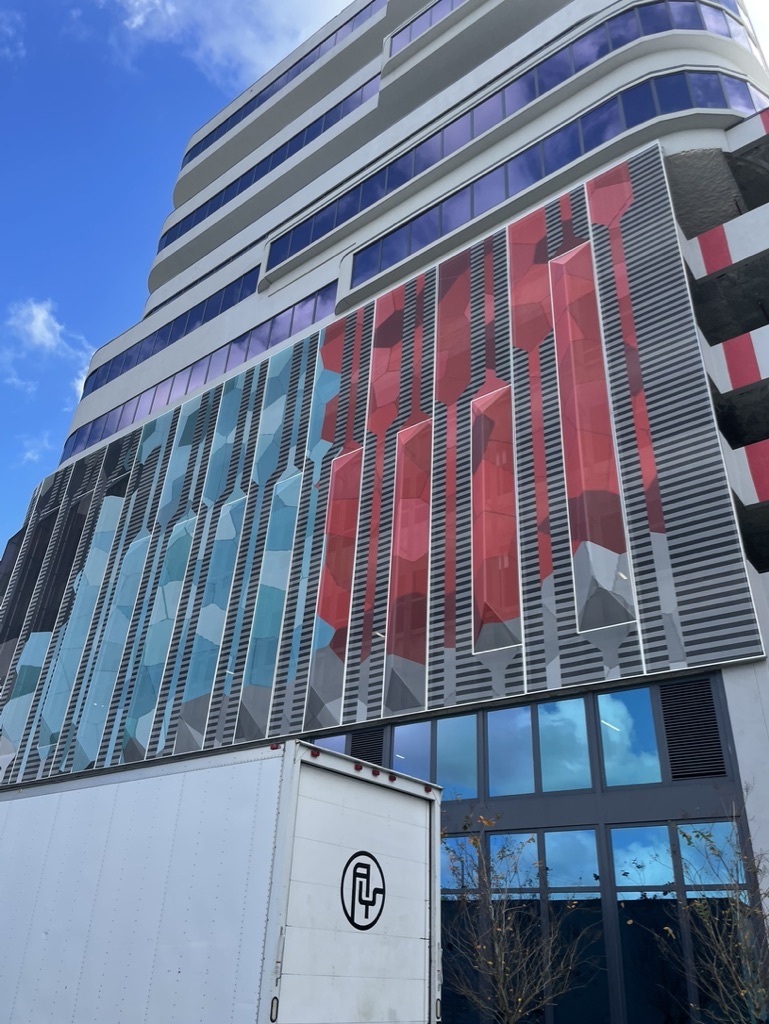
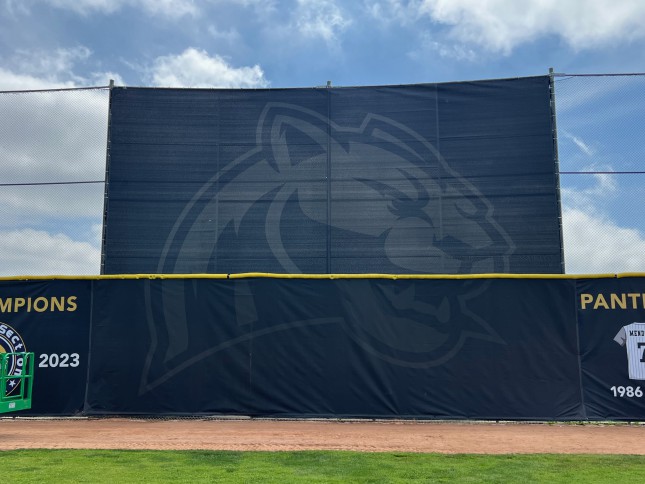
Outdoor signage benefits from mesh fabric. Tiny perforations let wind pass through, reducing stress on the material and preventing tears. Use mesh for building wraps, fence banners, and large stage backdrops where exposure to weather is unavoidable.
4. Backlit fabric
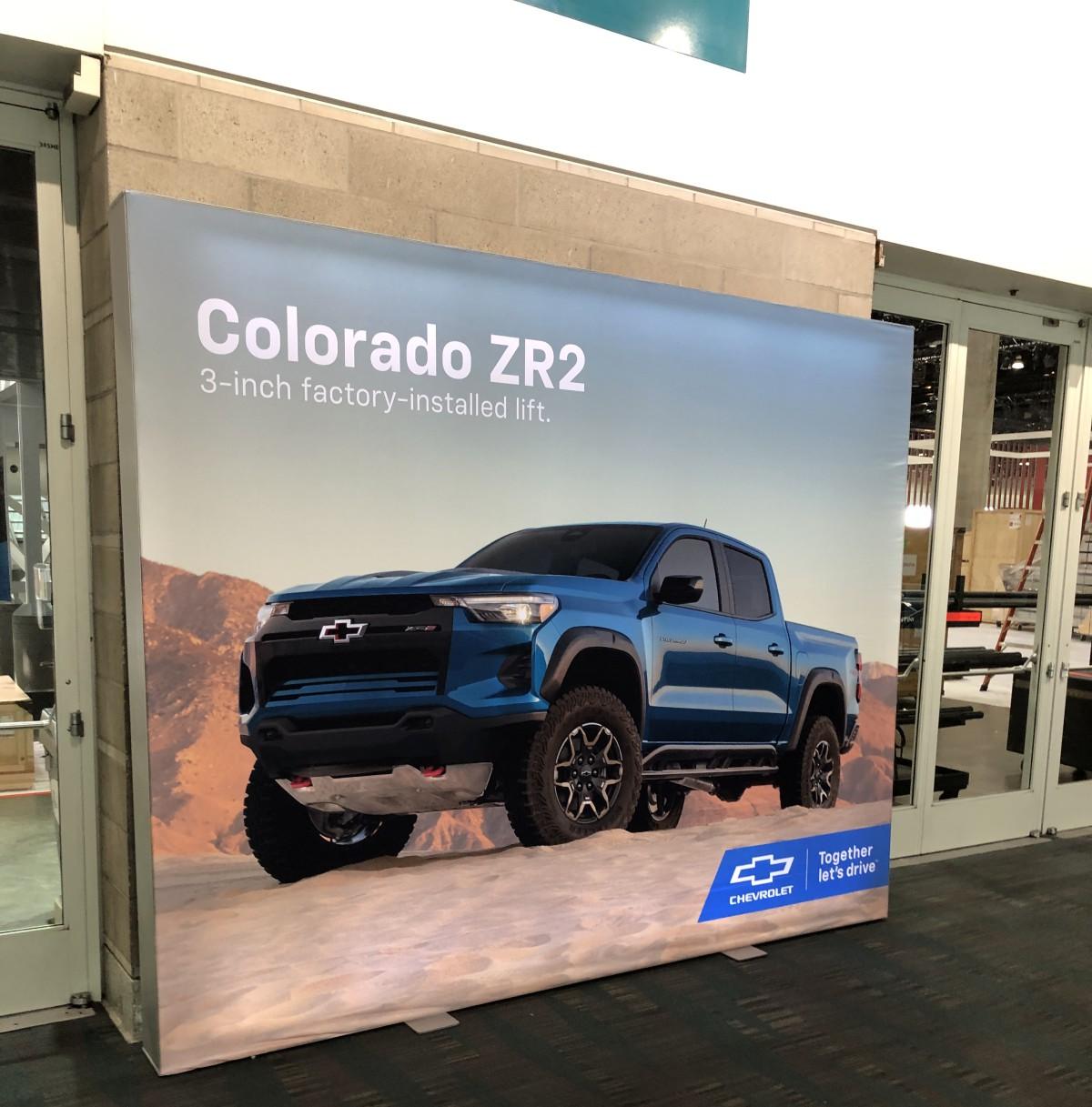
Backlit fabrics feature a special coating that diffuses light evenly. Colors appear vibrant and glowing when illuminated, making them ideal for LED lightboxes, retail signage, and displays where visual impact is a priority.
5. Blockout fabric
Blockout material is completely opaque, preventing light from passing through. It’s perfect for double-sided graphics or areas with strong backlighting. Trade show backdrops, hanging banners, and large window displays often use blockout fabric to maintain crisp, undistracted visuals.
6. Satin fabric
Satin offers a smooth, reflective surface that enhances color depth and contrast. It works well in retail displays, fashion events, or any installation that demands a polished, premium appearance. Its slight sheen draws attention without overpowering the design.
7. Stretch or tension fabric
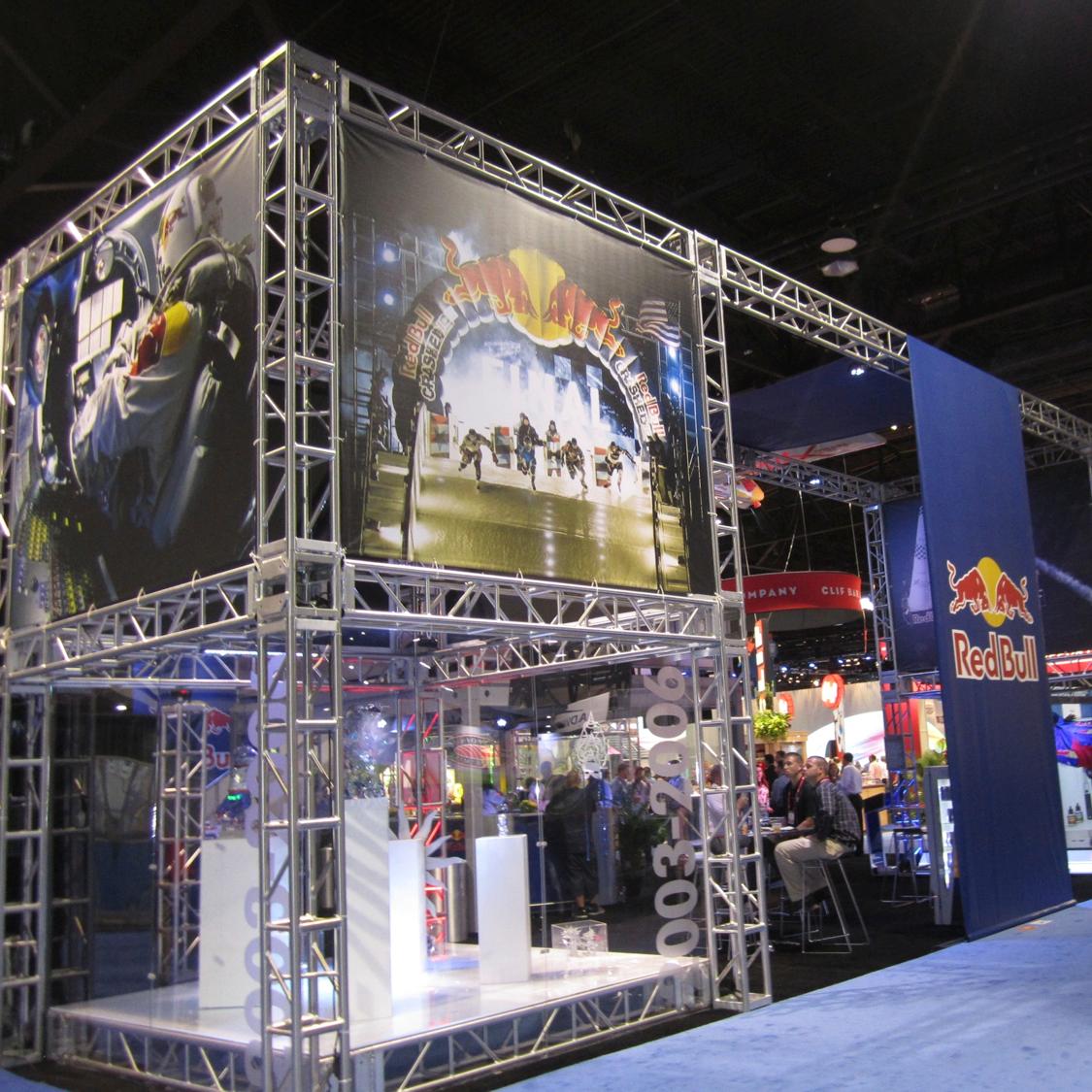
Designed for seamless displays, stretch fabrics create wrinkle-free visuals for frames, booths, and curved structures. Ideal for SEG (silicone edge graphics) and trade show walls, these fabrics combine flexibility with a clean, professional finish.
8. Flag fabric
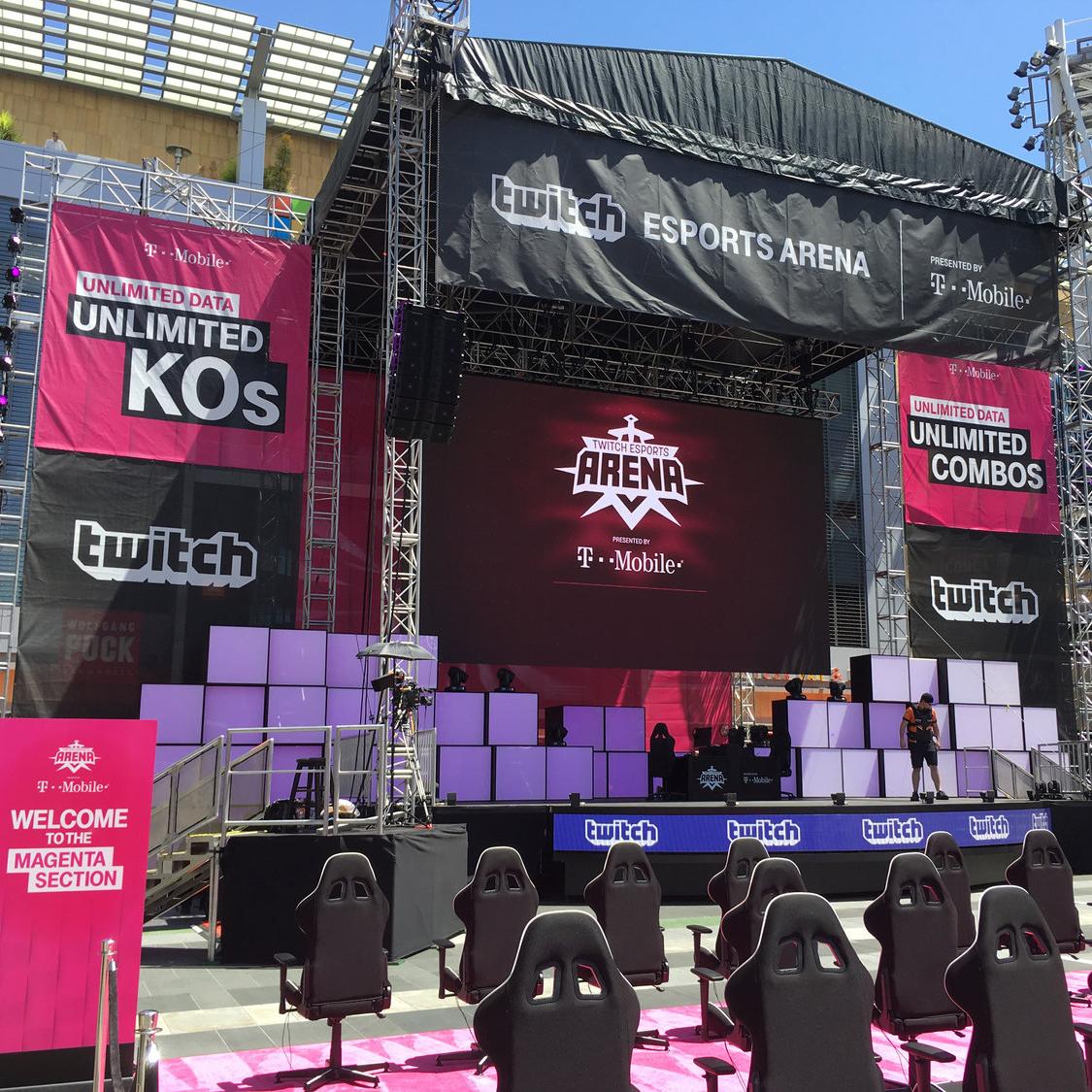
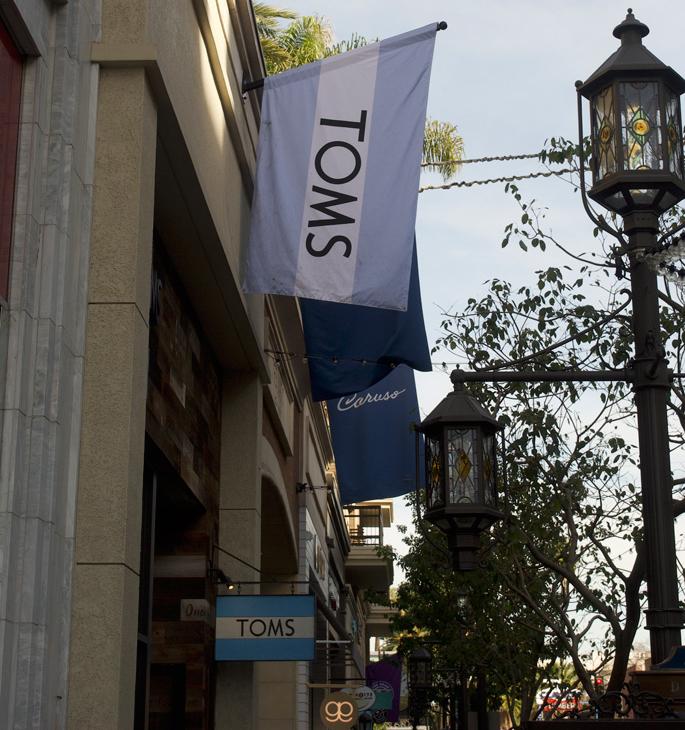
Lightweight and semi-transparent, flag fabric allows designs to show on both sides with minimal color loss. Use it for flags, hanging displays, or promotional graphics where airflow and double-sided visibility matter.
9. Cotton fabric
Cotton provides a soft, natural texture that enhances the tactile appeal of prints. It’s mostly used indoors for art reproductions or decorative projects where authenticity and touch are more important than weather resistance.
10. Poplin fabric
Poplin is a tightly woven polyester or cotton-blend fabric with a smooth, matte surface. Its glare-free finish makes it ideal for indoor banners, backdrops, and retail displays where readability and professional appearance are critical.
Factors to Consider When Choosing a Fabric
Selecting the right fabric material goes beyond appearance. Your decision should align with the project’s environment, installation method, and visual goals. Here are key factors to guide your choice:
1. Durability and exposure
Where the fabric will live dictates what it needs to withstand. Outdoor projects demand weather-resistant materials like mesh or heavy-duty polyester that resist UV, rain, and wind. Indoor displays can prioritize texture and finish over ruggedness, using canvas or standard polyester.
2. Finish and look
The surface of the fabric affects how your graphics read. Matte fabrics reduce glare, improving readability in photographs or under bright lights. Glossy or semi-gloss finishes intensify colors, giving high-impact visuals that catch attention in retail or event settings.
3. Lighting and transparency
Consider how light interacts with the material. Backlit fabrics diffuse LED or fluorescent light evenly, making colors pop. Blockout fabrics prevent unwanted light from passing through, preserving clarity for double-sided banners or bright environments.
4. Flexibility and installation
Some fabrics are easier to work with than others. Lightweight materials are ideal for hanging banners, drapes, or temporary displays. Stretch or tension fabrics fit frames and curved structures, providing seamless, wrinkle-free presentation for trade shows or event booths.
5. Print technology compatibility
Not every fabric works with every printing method. Dye-sublimation excels on polyester-based fabrics, delivering vivid, long-lasting colors. UV printing works well on coated or heavier materials. Latex printers offer flexibility but may require fabrics with specific coatings for optimal adhesion. Ensuring compatibility avoids wasted materials and reduces reprints.
6. Project lifespan and reuse
If your display will be reused frequently, durability and wrinkle resistance are essential. Fabrics like polyester or tension materials maintain appearance after multiple installations, saving time and money over repeated events.
Application Spotlight: Matching Fabric to Use Case
Choosing the right print fabric can transform a project from ordinary to visually striking. Here’s how specific fabrics enhance different applications:
Retail displays
High-definition polyester or satin fabrics make brand visuals pop while maintaining a sleek, modern look. Matte finishes reduce glare under store lighting, ensuring logos and product images remain crisp and readable. Use satin for premium sections, like seasonal promotions or luxury product displays, where color depth and sheen enhance appeal.
Trade shows and events
Wrinkle-resistant fabrics like tension polyester simplify setup and teardown. They’re lightweight, portable, and reusable, making them perfect for booths, pop-up activations, or event walls. Stretch fabrics ensure seamless, frame-fitting graphics that convey professionalism at every angle.
Outdoor signage and building wraps
Durable mesh or heavy-duty polyester withstands sun, wind, and rain without fading or tearing. Mesh allows airflow, preventing billowing or rips on large banners. Heavy-duty polyester maintains sharp visuals for building wraps, fence banners, or festival signage exposed to changing weather conditions.
Corporate interiors and museums
Canvas or backlit fabrics add sophistication and depth to permanent or semi-permanent installations. Canvas offers texture and a gallery-quality feel, while backlit fabrics illuminate brand messaging or exhibit details under controlled lighting. Both options elevate the space while preserving a professional, polished look.
Photo backdrops and stage graphics
Choose non-reflective, color-accurate fabrics that photograph well. Matte polyester or cotton minimizes glare under stage lights or flash photography, ensuring sharp images for event photos or media coverage. Backlit fabrics also work for dramatic effects where lighting highlights colors and details
Threading the Finish
The fabric you choose can elevate a display from functional to unforgettable. The right material ensures colors remain vibrant, textures feel intentional, and installations hold up under real-world conditions. Thoughtful selection also saves time, reduces reprints, and enhances the overall perception of your brand.
For projects that demand precision and impact, CR&A Custom provides expert guidance on selecting the ideal print fabric and executing high-quality large-format printing services tailored to your needs. From banners and backdrops to retail displays, we help ensure every installation performs beautifully and reflects your brand at its best.
Consult CR&A Custom for advice and custom fabric printing solutions that bring your creative vision to life.
FAQs
Fabric affects color accuracy, durability, and overall presentation. Choosing the right material ensures your display looks professional, lasts longer, and communicates your brand effectively.
Popular options include polyester, canvas, mesh, backlit, blockout, satin, stretch, flag, cotton, and poplin. Each fabric serves different purposes, from outdoor banners to indoor décor and retail displays.
Consider durability, exposure, finish, lighting, flexibility, and print method compatibility. Match the material to the environment and intended use to achieve the best results.
Indoors, fabrics like canvas, polyester, satin, and poplin offer vibrant colors and smooth or textured finishes. Outdoors, mesh and heavy-duty polyester withstand sun, wind, and rain while keeping visuals crisp.
No. Dye-sublimation works best on polyester, UV printing suits coated or heavy fabrics, and latex printing may require specific coatings. Choosing compatible materials prevents printing issues and wasted resources.