TL;DR: How to Execute Flawless Brick Wall Vinyl Wraps for Los Angeles Retail Facades
Brick wall vinyl wraps can transform Los Angeles retail storefronts into eye-catching branded environments, but successful installations require specialized materials and techniques. Unlike smooth surfaces, brick presents challenges involving uneven textures, deep mortar joints, adhesion, and weather exposure. Achieving professional results requires inspecting and preparing the masonry, selecting vinyl engineered for textured surfaces, designing graphics that accommodate brick patterns, and using proper heat-assisted installation techniques. Retailers should also consider local sign regulations, durability, and removal requirements. CR&A Custom helps Los Angeles businesses create high-quality large format graphics for distinctive retail facades.
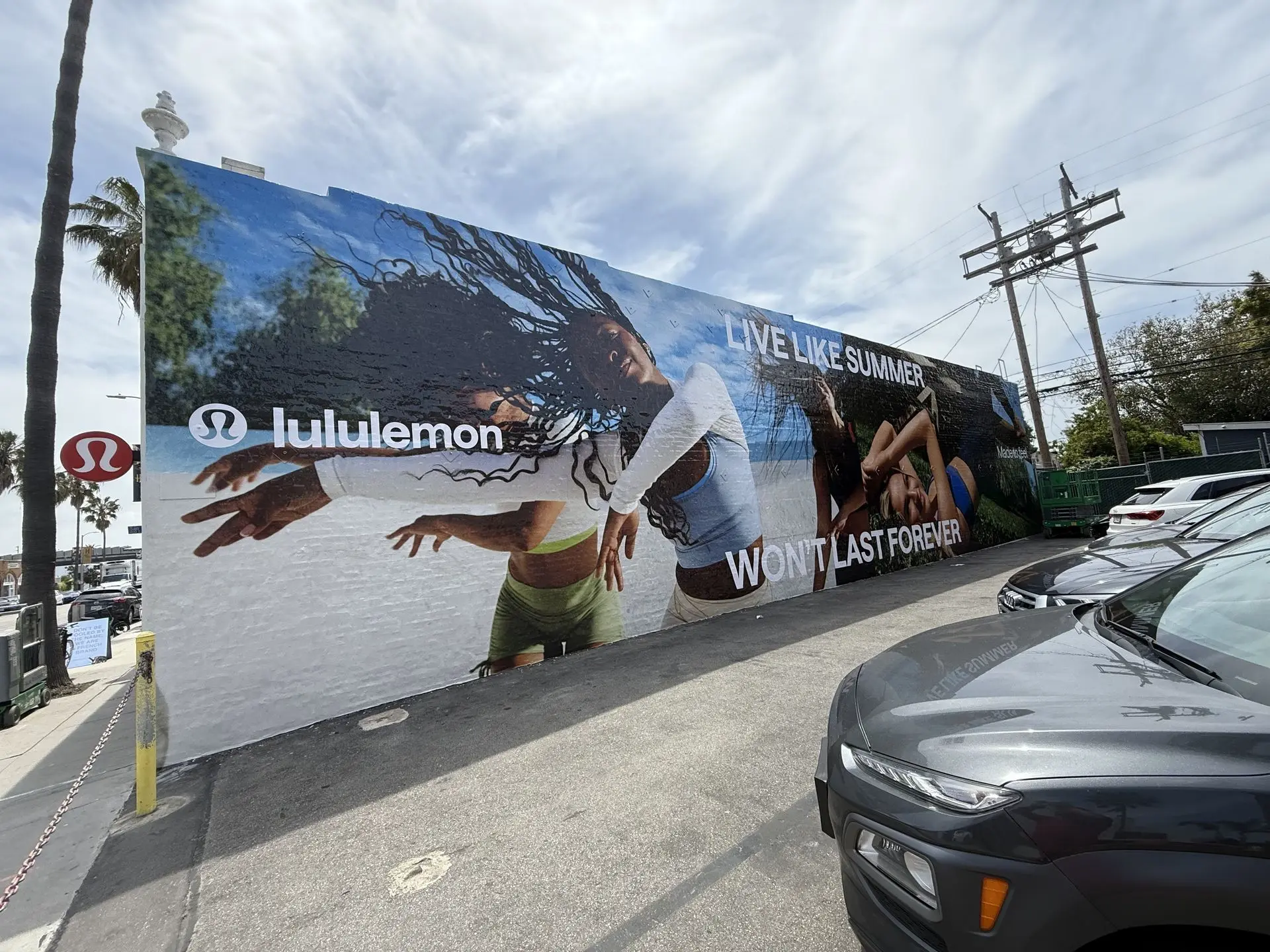
Los Angeles retailers are constantly looking for creative ways to make their storefronts stand out. From Melrose Avenue boutiques to Hollywood entertainment venues and Downtown LA retail spaces, brick wall vinyl wraps offer an opportunity to transform ordinary building exteriors into eye-catching branded environments.
However, applying large format graphics to brick presents challenges that don't exist with smooth surfaces. Rough textures, deep mortar joints, and exposure to Southern California's sun and heat require careful planning, specialized materials, and experienced installation. Here's what retailers and designers should know before wrapping a brick facade.
1. Evaluate the Brick Surface Before Designing
Not every brick wall is suitable for vinyl graphics. Older Los Angeles buildings may have uneven masonry, deteriorating mortar, painted surfaces, or previous coatings that interfere with adhesion. Dust, moisture, and loose material can also prevent vinyl from bonding properly.
Before production begins, a qualified installer should inspect the wall and determine whether the surface can support an adhesive graphic. A small adhesion test can help identify potential problems before investing in a full-size installation.
2. Choose Vinyl Designed for Textured Masonry
Standard adhesive vinyl designed for smooth walls or windows generally won't perform well on brick. Textured masonry applications require specialized conformable films and compatible adhesives engineered to bond with irregular surfaces.
Products such as 3M's textured surface graphic films are designed for certain brick, concrete, and similar substrates when installed according to manufacturer specifications.
Material selection should account for brick texture, mortar depth, surface condition, anticipated display duration, and environmental exposure.
For temporary retail promotions, removal requirements should also be evaluated before selecting a film.
3. Design Graphics Around the Wall's Texture
Brick introduces visual characteristics that can affect the appearance of printed artwork. Deep mortar joints, irregular surfaces, and dimensional texture can distort fine details or reduce the readability of small text.
Bold typography, strong contrast, and larger graphic elements generally work better than intricate designs. Retailers should also consider how the artwork will interact with architectural features, including windows, doors, lighting fixtures, and decorative masonry.
Accurate measurements and photographs help designers prepare graphics that fit the building and communicate the intended message.
4. Prepare the Wall for Proper Adhesion
Surface preparation is essential for a successful brick wall vinyl installation. The masonry must be clean, dry, structurally sound, and free of contaminants that could interfere with adhesion.
Cleaning methods depend on the condition of the brick and the vinyl manufacturer's requirements. Some surfaces may need additional drying time after washing.
Installers should avoid applying graphics over loose paint, crumbling mortar, or unstable masonry. For historic or delicate brick facades, additional evaluation may be necessary to avoid damaging the underlying material.
5. Use Professional Heat-Assisted Installation Techniques
Installing vinyl on brick requires more than positioning an adhesive graphic against the wall. Specialized films are often applied using controlled heat and pressure to help the material conform to the brick's contours and mortar joints.
Experienced installers use appropriate heating equipment, application rollers, and manufacturer-recommended techniques to achieve consistent adhesion. Improper heating or excessive stretching can damage the film, distort the artwork, or compromise its performance. The goal is a finished graphic that follows the masonry's texture without lifting, bubbling, or leaving poorly adhered areas.
6. Plan for Los Angeles Weather and Sun Exposure
Los Angeles presents demanding conditions for exterior graphics. Strong ultraviolet exposure, high surface temperatures, seasonal rain, and changing weather conditions can affect the performance of adhesive films.
South- and west-facing walls may experience particularly intense afternoon sunlight. Retailers should discuss expected outdoor durability, protective laminates, installation temperature requirements, and maintenance recommendations with their printing partner. Even high-quality materials have performance limitations, especially when applied to textured surfaces.
7. Consider Permits, Maintenance, and Removal
Before installing a large exterior wall graphic, retailers should confirm applicable Los Angeles sign regulations, landlord requirements, and any historic preservation restrictions.
A vinyl wrap that functions as advertising may be regulated differently from decorative artwork. Retailers should also establish a maintenance plan and understand the potential effects of removing adhesive graphics from brick. Removal can require specialized techniques, and some surfaces may experience adhesive residue or damage.
Transform Your Los Angeles Retail Facade With CR&A Custom
A professionally produced brick wall vinyl wrap can turn an ordinary storefront into a distinctive advertising opportunity.
CR&A Custom provides custom large format printing and exterior graphic solutions for retailers, brands, and commercial properties throughout Los Angeles. From artwork preparation and material selection to coordinating production requirements, CR&A Custom helps clients develop visually compelling graphics suited to their applications.
Explore CR&A Custom's large format printing services or call 213-749-4440 to discuss your next retail facade project.
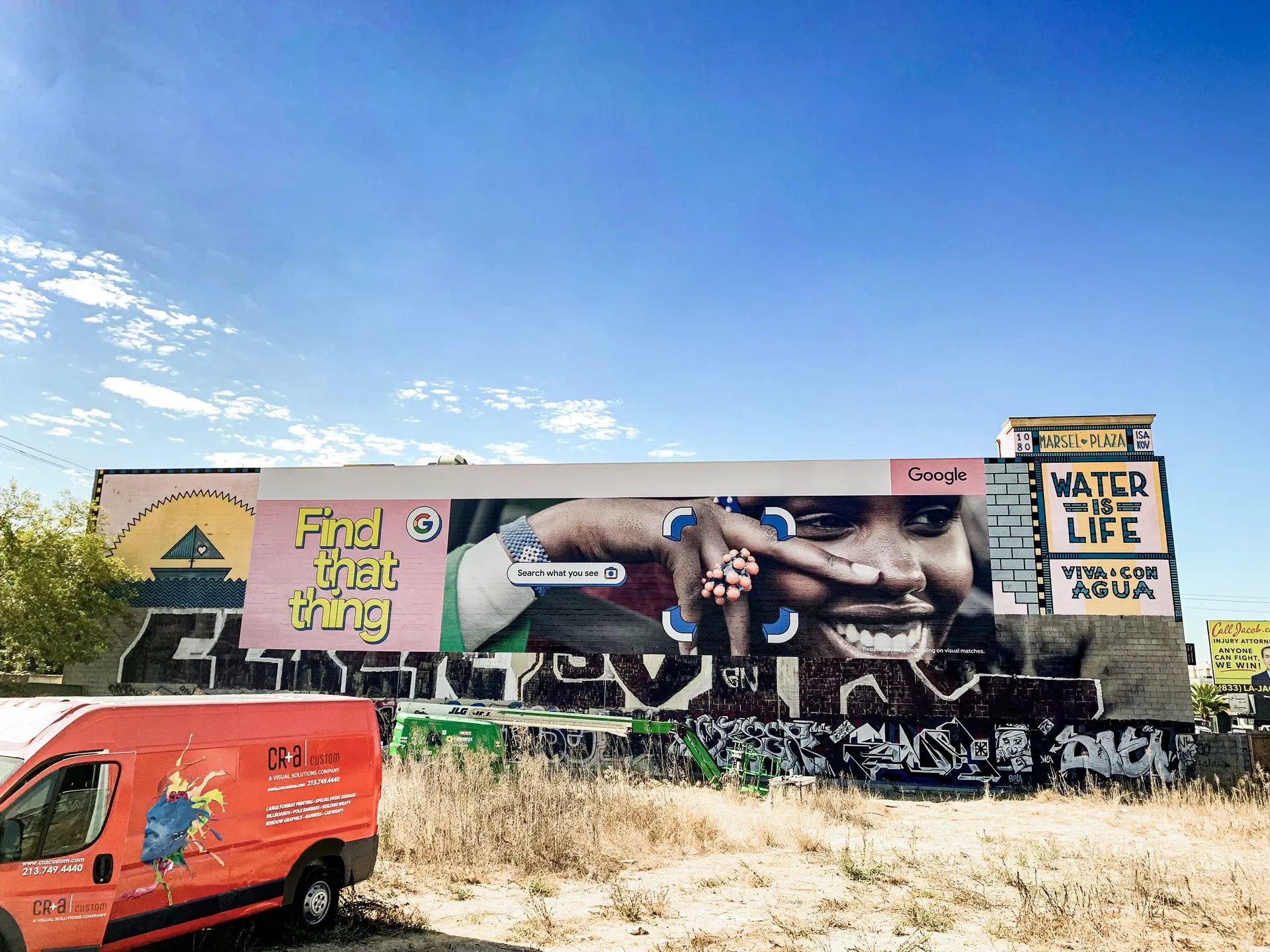
Frequently Asked Questions About Brick Wall Vinyl Wraps
1. Can vinyl graphics be applied directly to brick walls?
Yes, vinyl graphics can be applied directly to certain brick walls using specialized adhesive films designed for textured masonry surfaces. Unlike standard wall vinyl, these conformable films are engineered to follow irregular brick surfaces and mortar joints when installed with appropriate heat and pressure. However, not every brick wall is suitable for vinyl application. Loose mortar, deteriorating masonry, moisture, dirt, and certain surface coatings can interfere with adhesion. A professional surface inspection and adhesion test are recommended before installing large format vinyl graphics on brick.
2. What type of vinyl works best for brick wall wraps?
Specialized conformable vinyl films designed for textured surfaces are generally the best choice for brick wall graphics. Products such as 3M textured surface graphic films are engineered for certain brick, concrete, and masonry applications. These materials can be applied using manufacturer-approved heat-assisted installation techniques to help the vinyl conform to surface irregularities. The appropriate film depends on brick texture, mortar depth, surface condition, outdoor exposure, and expected display duration. Standard adhesive vinyl intended for smooth walls is generally unsuitable for deeply textured brick.
3. How long do exterior brick wall vinyl wraps last in Los Angeles?
The lifespan of an exterior brick wall vinyl wrap depends on the selected film, brick condition, installation quality, sunlight exposure, and environmental conditions. Los Angeles' strong ultraviolet radiation, high surface temperatures, and seasonal rain can affect adhesive performance and printed graphic durability. South- and west-facing walls may experience greater sun exposure and heat. Some textured-surface films are intended primarily for short-term applications, so durability should never be assumed from standard outdoor vinyl specifications. Retailers should confirm the manufacturer's recommended service life and warranty limitations for their specific application.
4. Do Los Angeles retailers need permits for exterior brick wall vinyl wraps?
Los Angeles retailers may need permits or other approvals before installing exterior brick wall vinyl graphics, depending on the display's size, location, content, and classification under applicable sign regulations. Advertising graphics, decorative murals, and building signage may be subject to different requirements. Properties in historic preservation areas or designated historic buildings may have additional restrictions. Retailers should also obtain any necessary landlord approval and confirm local requirements before production. CR&A Custom can help businesses prepare large format graphics for their retail facade projects, while permitting requirements should be verified with the appropriate local authorities.